MEET Your PT
Doctor of Physical Therapy. Trainer. Lifelong athlete. Built Ironside around the kind of care he would seek out himself.
Dr. Christopher Rain founded Ironside Rehab & Performance to provide the kind of care he wanted to give but couldn’t consistently deliver in a high-volume model: one-on-one attention, enough time to understand the whole picture, and a plan built around the person in front of him.
• Doctorate — UNC Chapel Hill
• Advanced dry needling training
• NASM Certified Personal Trainer
• VA hospital experience
That range gives me a broader lens for deciding what matters, what can be simplified, and what needs more attention for the person in front of me.
• Certified Myofascial Trigger Point Therapist (CMTPT)
TRAINING, EXPERIENCE & RANGE
• TPI Certified
• Former Research Assistant in the Gene Therapy Center
• Personal training experience since 2019

WHY IRONSIDE EXISTS
I built Ironside around the kind of physical therapy I personally look for when I’m injured and don’t manage the rehab myself: one-on-one care, enough time to think through the problem, a clear explanation of what matters, and a plan that actually fits real life. I started Ironside after realizing that the traditional model was pulling my attention in too many directions. Double-booking, handing patients off, and trying to fit meaningful care into a high-volume schedule made it harder to give people the time, education, accountability, and follow-through I deserved. Before becoming a physical therapist, I worked in a boutique one-on-one personal training setting and saw how powerful it can be when you truly know someone — their history, goals, habits, setbacks, and what motivates them. I wanted to bring that same relationship-driven model into physical therapy. Ironside was built around that idea: fewer clients, more attention, and care that adapts to your life instead of forcing you into a template.
Good physical therapy should follow the science without overcomplicating it — using sound clinical reasoning, clear communication, and the flexibility to adapt to how each person actually responds.
I’VE BEEN ON THE OTHER SIDE OF REHAB, TOO

Over the years, I’ve worked back from a lumbar compression fracture, stress fracture, torn labrum, and multiple joint and muscle bleeds that at times left me on crutches for weeks and rebuilding significant strength loss. Those experiences taught me that recovery requires more than knowing the right exercise. It takes patience, perspective, a clear plan, and someone who can help you understand what is happening when progress speeds up, slows down, or changes direction. That experience is a big part of why I became a physical therapist — and why I never want someone to feel like they have failed just because recovery isn’t perfectly linear.
MOVEMENT HAS ALWAYS BEEN PART OF MY LIFE
Soccer was my first sport, including years of travel competition and showcase tournaments up and down the East Coast. These days, you’ll usually find me lifting, golfing, playing tennis, running, hiking, or finding another reason to be outside. I’ve completed multiple Spartan races, including a Trifecta year, spent time hiking sections of the Appalachian Trail, and sailed the East Coast from Wilmington to St. Augustine. That background shapes how I work with active people: the goal usually isn’t simply to hurt less. It’s to get back to doing something that matters.
GOOD PHYSICAL THERAPY SHOULD BE BUILT AROUND THE PERSON.
The science matters. So do biomechanics, strength, tissue healing, and good clinical reasoning. But none of that works in isolation from the person doing the rehab. The best plan is one that makes sense for your body, your goals, your life, and how you actually respond along the way.
My goal is not to take on as many patients as possible. It is to work closely with a smaller number of people, help them reach meaningful goals, and become someone they feel comfortable reaching out to long after formal rehab ends.
One person at a time, with care built around your goals.
OUTSIDE OF WORK
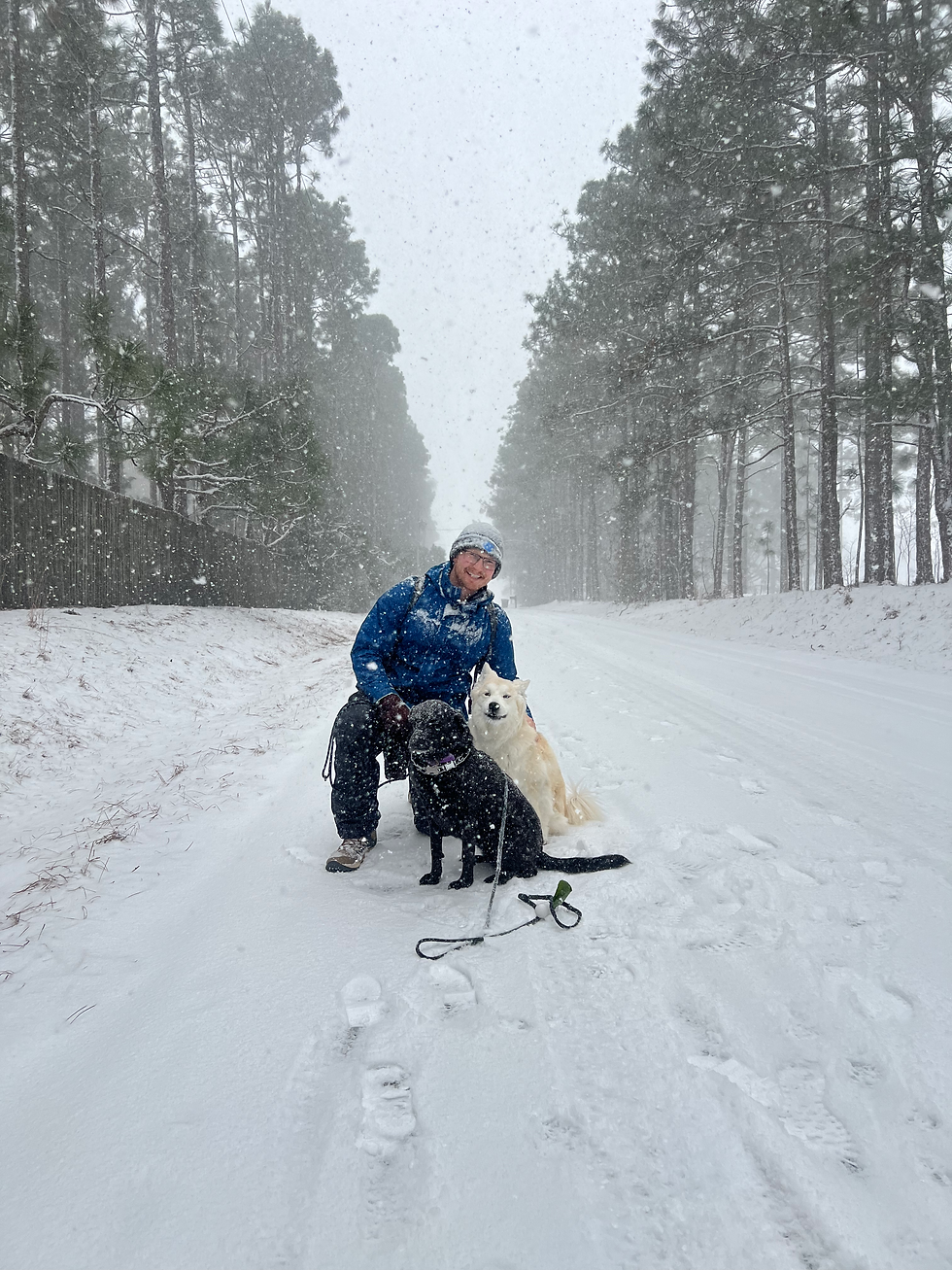
Chris and his wife live in the Sandhills with their two dogs, Korra and Ziti. His wife is a doctor in training, and outside of the clinic they enjoy staying active, traveling, and getting outdoors. When he slows down, Chris also enjoys weaving, camping in Minnesota’s Boundary Waters, and learning new hands-on hobbies like woodworking.
WHY THE SANDHILLS
What I like most about the Sandhills is how active and engaged the community is. People care about staying capable — whether that means golf, running, serving in the military, raising a family, or simply keeping up with the life they’ve built. I’ve especially enjoyed working with golfers, service members, and military spouses whose physical demands don’t always fit neatly into a generic rehab plan.